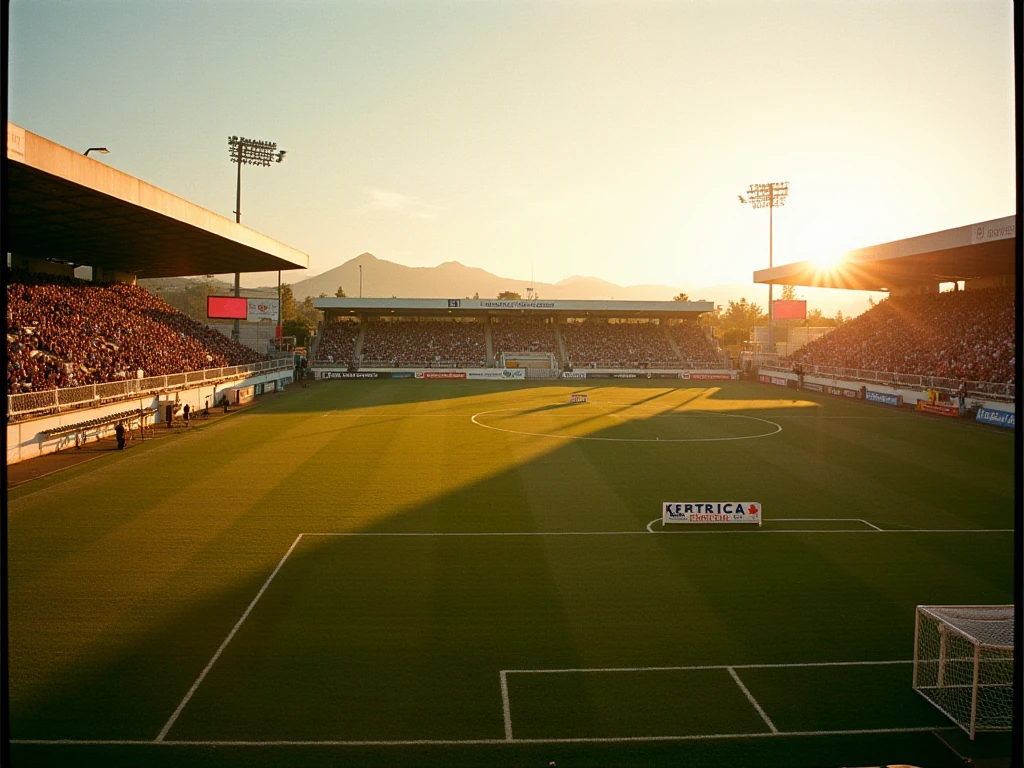
In the competitive landscape of the Betway Premiership, Stellenbosch FC, affectionately known as Stellies, has experienced a mixed bag of performances lately. While their recent form has shown promise, with flashes of attacking brilliance and solid defensive organization, tactical adjustments could provide the edge needed to secure more consistent results. Here, we delve into the current tactical setup and suggest tweaks that could bolster their effectiveness on the pitch.
Current Tactical Framework
Stellenbosch FC typically operates within a 4-2-3-1 formation, a setup that allows for a strong midfield presence while providing width through the wingers. The two holding midfielders play a pivotal role in breaking up opposition attacks and facilitating transitions, while the attacking midfielder supports both the strikers and the wide players. However, recent matches have indicated that this formation, while effective, can sometimes lead to a lack of penetration and creativity in the final third.
Midfield Dynamics
One area for potential improvement lies within the midfield dynamics. Although the double pivot provides stability, it can also lead to stagnation in build-up play. Introducing a more dynamic approach by having one of the holding midfielders push further up the pitch could create additional passing lanes and enable quicker transitions into attack. This shift would allow the attacking midfielder to operate in more advanced positions, increasing the likelihood of goal-scoring opportunities.
Winger Utilization
Stellenbosch's wingers, while talented, have sometimes struggled to find consistency in their performances. A tactical tweak that could benefit the team is to encourage more inverted runs from the wingers, allowing them to cut inside and either take shots on goal or create space for overlapping full-backs. This would not only diversify their attacking options but also create additional attacking threats from the flanks, drawing defenders out of position and opening up opportunities for central players.
Defensive Cohesion
Defensively, Stellies have shown resilience, but communication and cohesion at the back can be improved. Implementing a more proactive pressing strategy could disrupt opposition build-up play and prevent them from establishing a rhythm. By encouraging forwards and midfielders to engage defenders higher up the pitch, Stellenbosch can regain possession more frequently and create immediate attacking opportunities. However, this approach must be balanced to ensure the back line remains secure and does not leave gaps for counter-attacks.
Set-Piece Strategy
Another area that requires attention is the set-piece strategy. While Stellenbosch FC has been solid defensively during corners and free-kicks, they have not capitalized enough on their own set-piece opportunities. A carefully designed routine that takes advantage of the aerial prowess of their defenders could lead to more goals from dead-ball situations. Additionally, ensuring that players are well-drilled in positioning and timing will enhance their chances of converting these opportunities into goals.
Conclusion
As Stellenbosch FC strives for consistency in their performances, these tactical tweaks could serve as catalysts for improved results. By enhancing midfield dynamics, maximizing winger impact, strengthening defensive cohesion, and refining set-piece strategies, Stellies can harness their recent form and elevate their game to new heights. The Danie Craven Stadium is known for its passionate atmosphere; with these adjustments, Stellies can ensure that their fans have plenty to cheer about this season.